




























Are Self-Driving Taxis the Future of UAE Transport?
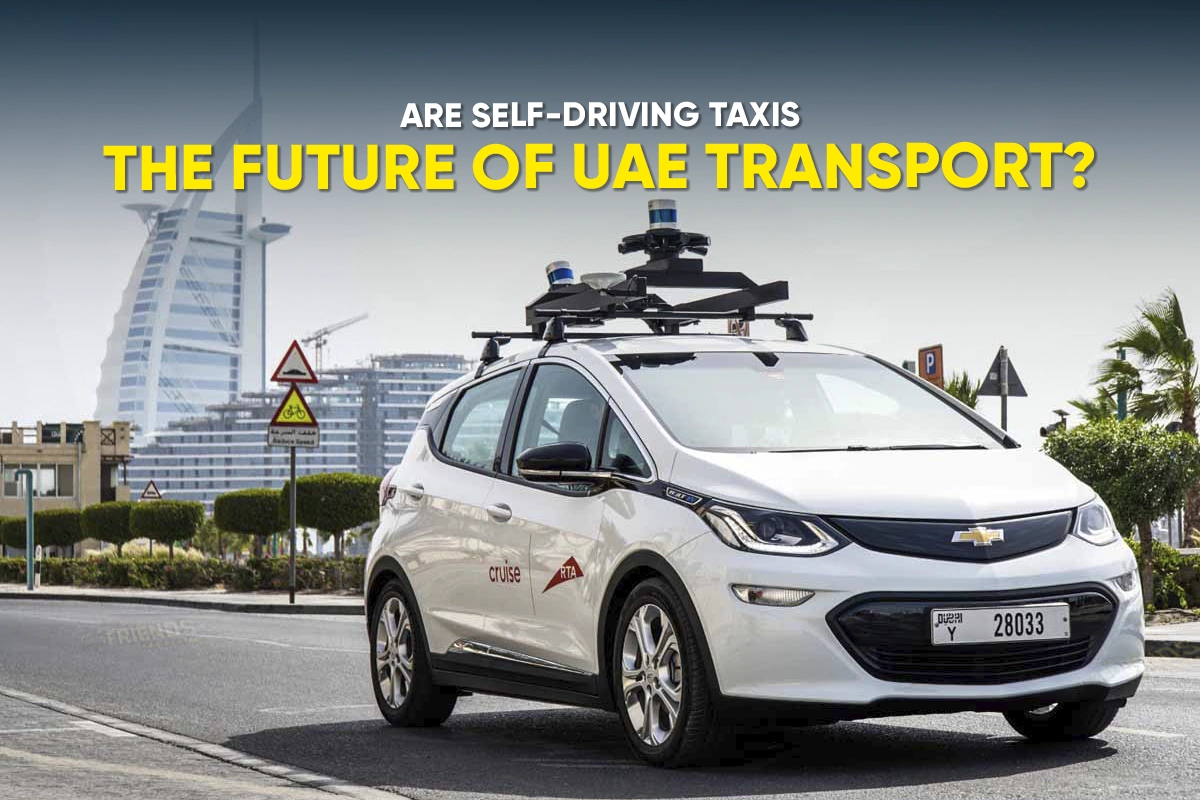
The self-driving taxis are the future of UAE transport. It's a definite and exciting project the country aims to achieve in the near future. The country is aggressively pursuing a strategic vision to become the global leader in smart urban mobility and autonomous technologies.
Even HH Sheikh Mohammed states Dubai's intention of autonomous transport strategy with 25% of all trips in Dubai becoming driverless by 2030. This landmark government commitment signals a huge, irreversible shift away from conventional human-driven transit methods.
This article will be your comprehensive guide to understanding the current status of robotaxis, what next, and why autonomous taxis are superior to existing systems.
Where the Future is Now: Autonomous Zones and Timelines
The future of autonomous transport is not a distant goal in the UAE. In fact it's a current reality happening right now. While this has not become a fully realized project, the UAE is already testing its self-driving cars in several regions of the country, especially in Abu Dhabi.
Simultaneously, a massive, highly-anticipated commercial launch is being planned for Dubai by 2026. Take a look at the regulated zones for initial operations, services and learn about the essential timelines.
Abu Dhabi's Robotaxis: Live Operations
In Abu Dhabi, self-driving taxis are not just a strategic goal; it is a service you can use right now. The capital holds the distinction of being the first city in the Middle East and North Africa (MENA) region to commercially operate autonomous taxis. This immediately offers residents and visitors a futuristic, safe, and entirely efficient way to travel across key areas.
Where to Find the Robotaxis
● Current Service Hubs: The service has successfully expanded from its initial pilot on Yas Island and Saadiyat Island.
● Key Commercial Areas: Autonomous taxis also cover high-traffic, densely populated commercial and residential areas, including Al Reem Island and Al Maryah Island.
● Airport Connectivity: You can also find this service at dedicated routes to and from Zayed International Airport (AUH).
How to Book Your Driverless Ride
You can book these driverless taxi rides in Abu Dhabi using two primary platforms: the specialized local app TXAI or the internationally recognized Uber app.
Booking Process: The process is similar to hailing any standard ride-share:
- Open the TXAI or Uber app.
- Set your pick-up and drop-off locations within the operational zones.
- Select the Autonomous Ride or Self-Driving option when available in the list of vehicle choices.
Pro Tip: While booking, choose Ride Preferences and switch to the Priority Autonomous setting to boost your chances of securing a robotaxi.
What to Expect Onboard
For now, some vehicles still have a trained Safety Officer present in the driver’s seat. This is a current regulatory protocol to monitor operations. They only take over in the rarest case of an emergency.
The ride will be clean and serene. Advanced sensor technology (LiDAR, radar, cameras) ensures smooth and secure navigation. Your safety is guaranteed because these machines have already completed tens of thousands of incident-free trips.
Dubai's Robotaxi Roadmap by 2026
Dubai strategically moves toward its official vision of becoming a global leader in smart urban mobility systems. Its target to convert fully 25% of all transportation trips to autonomous mode by 2030 is its evident and powerful motivation. The immediate goal focuses on launching a substantial commercial fleet, scheduled to take place by the year 2026.
Deployment Scale and Major Partners
The RTA is leveraging powerful global partnerships to make this extensive autonomous deployment possible. These critical collaborations are foundational to swiftly implementing a large-scale, driverless fleet across the city's complex urban environment.
Dubai’s ambitious plan involves introducing up to 1,000 self-driving taxis. This major rollout is expected before the close of 2026. To achieve its goal, RTA is actively working with multiple industry leaders to ensure diversified and robust technology:
● Cruise: A prominent subsidiary of General Motors.
● Baidu’s Apollo Go: China’s established autonomous vehicle platform.
● Pony.ai: Another of China’s major, pioneering autonomous firms.
The Phased Rollout and Prime Zones
The emirate is already testing and collecting deep data in specifically designated areas across the emirate. This systematic process will ensure the technology can fully adapt to Dubai's unique traffic conditions.
● Initial Testing Ground: Cruise began supervised initial trials of its autonomous vehicles in the established Jumeirah 1 area.
● Expansion Strategy: The RTA is detailing a clear, careful, and ambitious phased approach for full operational expansion across the city.
● Official Launch Zone: Once successful completion of controlled trials is confirmed, the firms will be fully authorized to move onto high-traffic, prominent routes. The RTA has confirmed that robotaxis will officially launch on key parts of the network.
Transformation: Safety and Financial Gains
Autonomous Vehicles: The Multimodal Future Beyond Taxis
The swift implementation of this Autonomous Transportation Strategy is projected to deliver exceptional, measurable economic and societal benefits for Dubai's future.
● Financial Impact: Analysts project the major transition to autonomous transport will generate roughly AED 22 billion in annual economic revenues across the city.
● Cost Reduction: The RTA specifically anticipates this significant strategy will dramatically lower transportation costs by nearly 44% for every end user.
● Enhanced Safety: The self-driving technology aims to enhance overall road safety significantly. It carries a projected impressive 12% reduction in major traffic incidents across the entire network.
Future Autonomous Taxis vs Human-Driven Taxis
The simultaneous operation of autonomous and traditional transport sets the stage for a compelling new market dynamic in Dubai. While robotaxis deliver unprecedented efficiency and safety, human-driven services retain vital advantages in complexity and customer support. The city's innovative landscape demands a clear understanding of the key differentiators between these two powerful mobility entities.
The table below overviews the crucial differences between the current and the future taxis of the UAE.
Conclusion: Stepping Into Tomorrow’s City
UAE's comprehensive robotaxi strategy represents a powerful commitment to redefining urban mobility. It’s more than a mere transport, it’s about moving far beyond a simple technological upgrade. This transition confirms the city's established role as an innovative pioneer, swiftly executing its ambitious plan to integrate autonomous vehicles ⅓ by the year 2030.
The successful deployment of up to 1,000 robotaxis by 2026 will firmly establish a crucial backbone for the eventual conversion of 25% of all trips to autonomous mode. The entire program is expected to deliver tangible benefits, including safer roads, substantial cost reductions for consumers, and significant new economic revenues.
This bold, future-focused approach confirms that a safer, cheaper, and more efficient transportation future is rapidly approaching.
Leave a Reply
Your email address will not be published. Required fields are marked *
Car Rental in Dubai


AED 2500
DAY
AED 55000
MONTH
-
 SUV
SUV - 4 Doors
- 5 Seats
 SUV
SUV  4 Doors
  5 Seats
 - 1 Day Rental Available
- Deposit: Not Required
- Insurance Included

AED 5500
DAY
MONTH
- Sports
- 2 Doors
- 2 Seats
- 1 Day Rental Available
- Deposit: Not Required
- Insurance Included

AED 1200
DAY
MONTH
- SUV
- 4 Doors
- 5 Seats
- 1 Day Rental Available
- Deposit: Not Required
- Insurance Included
AED 1600
DAY
MONTH
- SUV
- 4 Doors
- 5 Seats
- 1 Day Rental Available
- Deposit: Not Required
- Insurance Included
AED 1500
DAY
MONTH
- SUV
- 4 Doors
- 5 Seats
- 1 Day Rental Available
- Deposit: Not Required
- Insurance Included