





































Dubai vs. Abu Dhabi Driving & Traffic Rules – What’s the Difference?
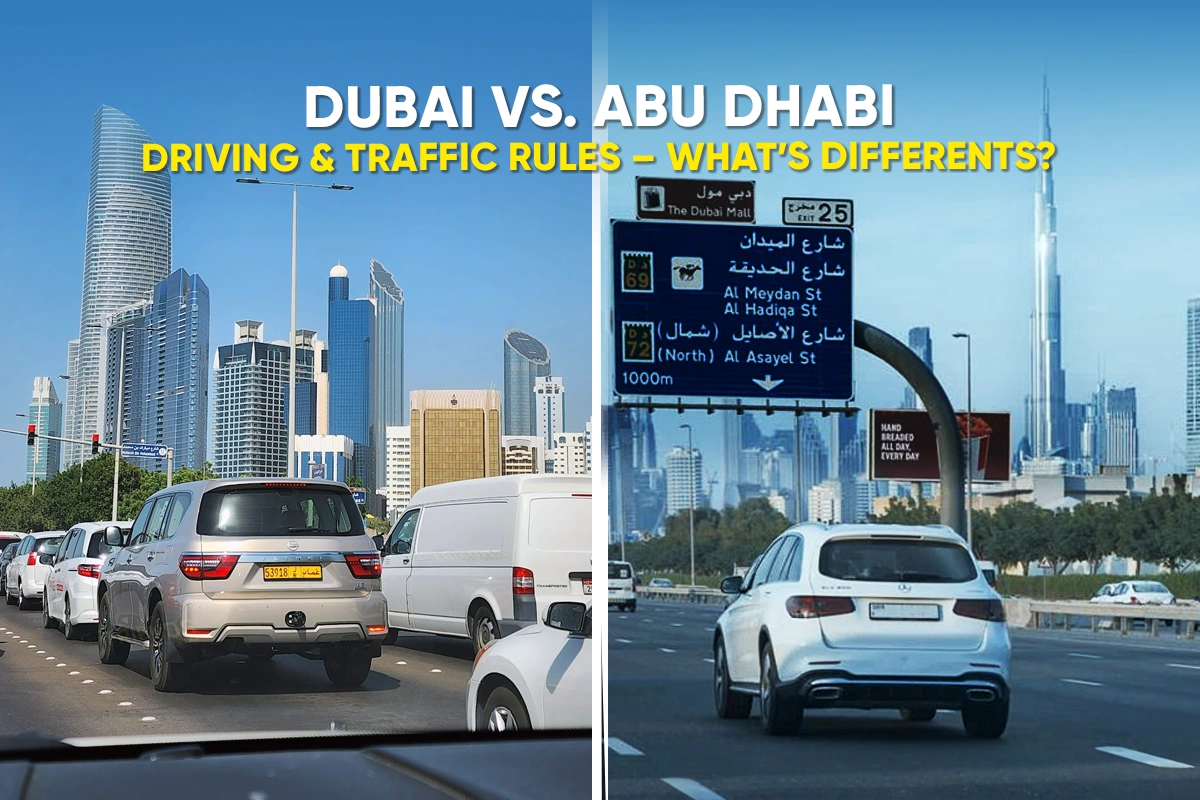
First time driving across the Emirates? Here’s something you must know: despite the UAE’s Federal Law, some emirates enforce their own local rules in some instances. This is usually more evident in Dubai and Abu Dhabi. In this article, we’ll explore Dubai vs. Abu Dhabi driving & traffic rules, and find out their core differences. Understanding these small driving details will save you from hefty violation penalties and ensure peace of mind. Let’s take a look at three core traffic rule differences between Dubai and Abu Dhabi.
3 Core Dubai vs Abu Dhabi Traffic Laws Differences
While the Federal Law governs these two emirates, they differ in small aspects to harmonize their traffic flow. It is also down to infrastructural differences and the technologies they use to handle everyday traffic.
1. Speed Limits: The Crucial Difference
The major traffic rule difference between Dubai and Abu Dhabi is the speed limit. While Dubai seems more lenient with buffer limits, Abu Dhabi enforces a zero-tolerance policy.
Dubai’s Grace Buffer: Your Margin of Safety
Unlike other major global cities, Dubai generously provides drivers with a forgiving 20 km/h grace buffer above the published speed limit before radars are activated. You will only be ticketed if you exceed the posted limit by 21 km/h.
Abu Dhabi’s Zero-Tolerance Policy: Strict Compliance is Mandatory
Abu Dhabi operates without any speed grace margin. The speed displayed on the sign is the undeniable maximum speed you are permitted to travel. Any single kilometre per hour over that limit triggers an immediate fine. This is the number one reason tourists receive unexpected violations in the capital.
The Minimum Speed Rule (Abu Dhabi Exclusive)
On the fast, left-most lanes of major highways, a minimum speed of 120 km/h is enforced to maintain efficient traffic flow. Avoid the left lanes unless you are travelling at a rapid pace.
2. Red Light Violations: A Staggering Financial Consequence
Running a red light is a severe infraction across the UAE. This violation results in an immediate Dh1,000 fine and 12 black points on your driving record. It also results in vehicle impoundment in both emirates. However, the penalty for releasing the impounded vehicle varies significantly between the two emirates:
Dubai's Impoundment Time:
You must pay a massive AED 50,000 fee to secure the early release of your impounded vehicle. Authorities can impound your vehicle up to 30 days before releasing it.
Abu Dhabi's Impoundment Time:
You’ll need to pay the same amount of AED 50,000 to release your car. However, Abu Dhabi authorities can confiscate your vehicle for up to 3 months (90 days) until the fee is paid.
3. Toll Systems and Technology in Dubai & Abu Dhabi
While both Abu Dhabi and Dubai use toll systems to track and regulate vehicles on the road, they use different terminologies. It’s Salik in Dubai and Darb in Abu Dhabi, so don’t get confused.
Dubai’s Salik Gates
Dubai uses Salik gates, electronic toll gates in 10 different locations. With recent salik rule changes, Dubai implements dynamic Salik/toll fees for different hours. Rush hours have AED 6 per crossing, and Off-hours are AED 4 per crossing. Salik is free during toll-free hours: 1 AM to 6 AM every day.
Learn more about Dubai’s updated Salik rule 2025.
Abu Dhabi’s Darb System:
Abu Dhabi uses the Darb toll system, which only charges you AED 4 per crossing during specific peak hours. Abu Dhabi’s four Darb Toll Gates charge you only when entering the main Abu Dhabi Island.
Peak hours:
Morning Peak: 7:00 AM – 9:00 AM
Evening Peak: 3:00 PM – 7:00 PM
Days of Operation: Monday to Saturday.
Toll-Free Periods: Sundays and official Public Holidays.
Final Thoughts
While the core Federal Traffic Law provides a consistent foundation, your successful journey depends entirely on complying with the distinct speed limit rules in both Dubai and Abu Dhabi. Understanding these little details can make huge differences, as the violation penalties are absolutely tremendous. Make sure you remember the speed limits, red lights, and toll gates; that’s where all the differences lie.
Focus on the signs, drive responsibly, and unlock the unforgettable travel experiences your trip promises.
Leave a Reply
Your email address will not be published. Required fields are marked *
Car Rental in Dubai


AED 2500
DAY
AED 55000
MONTH
-
 SUV
SUV - 4 Doors
- 5 Seats
 SUV
SUV  4 Doors
  5 Seats
 - 1 Day Rental Available
- Deposit: Not Required
- Insurance Included

AED 5500
DAY
MONTH
- Sports
- 2 Doors
- 2 Seats
- 1 Day Rental Available
- Deposit: Not Required
- Insurance Included

AED 1200
DAY
MONTH
- SUV
- 4 Doors
- 5 Seats
- 1 Day Rental Available
- Deposit: Not Required
- Insurance Included
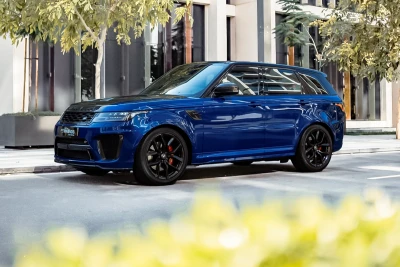
AED 1600
DAY
MONTH
- SUV
- 4 Doors
- 5 Seats
- 1 Day Rental Available
- Deposit: Not Required
- Insurance Included
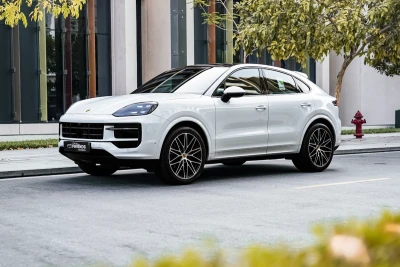
AED 1500
DAY
MONTH
- SUV
- 4 Doors
- 5 Seats
- 1 Day Rental Available
- Deposit: Not Required
- Insurance Included